


Category: Buying
2026 Mortgage Rate Outlook: What Buyers Should Expect
Mortgage rates have been a major topic over the past few years. From 2023 through 2025, buyers dealt with higher rates than many expected. As we look ahead, one big question remains: what will mortgage rates look like in 2026? While no forecast is guaranteed, most experts agree on one thing. Rates are expected to be more stable in 2026. Some modest improvement is possible, but dramatic drops are unlikely. The General Mortgage Rate Outlook for 2026 Most industry forecasts point to mortgage rates leveling off or easing slightly next year. Compared to recent highs, this would be a welcome...
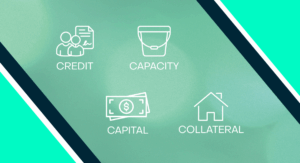
Understanding the 4 Cs of Mortgage Lending
When you apply for a mortgage, lenders take a close look at your overall financial picture to determine whether you qualify and how much risk you present as a borrower. To do this, they rely on what’s known as the 4 Cs of mortgage lending: Credit, Capacity, Capital, and Collateral. Together, these factors help lenders assess your financial stability, your ability to comfortably handle a mortgage payment, and the strength of the property backing the loan. Here’s a clear, easy-to-understand breakdown of each component and why it matters. 1. Credit Your credit history paints a picture of how you’ve managed...

Condo Insurance in 2025: What Every Buyer Should Know Before Closing
If you’re buying a condo in 2025, understanding your condo insurance is more important than ever. With premiums and condo fees rising nationwide, it’s crucial to know what an HO-6 policy covers , and where your condo association’s master policy stops. Condo insurance is designed to protect your personal space, belongings, and liability. And if you need help finding coverage, Fidelity Direct Mortgage partners with trusted insurers to match you with the right policy for your new home. Why Condo Insurance Is Changing in 2025 The condo insurance landscape is evolving. Here’s what’s driving the shifts in coverage and cost...
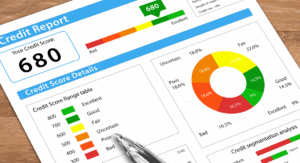
FICO vs. Credit Karma: Why Your Scores Differ
If you’ve checked your credit score on Credit Karma and then applied for a mortgage, you’ve probably noticed the numbers don’t quite match. That’s because lenders and consumer sites use different credit scoring models. What Is a FICO Score? FICO (Fair Isaac Corporation) created the most widely used credit scoring model in the U.S. Your FICO score—ranging from 300 to 850—represents your credit risk and helps lenders decide: Whether to approve your loan What interest rate to offer How much credit to extend It’s based on five factors: Payment history (35%) – Whether you pay on time Amounts owed (30%)...

Understanding PMI and How to Remove It
Private Mortgage Insurance, or PMI, is a common part of many home loans, especially for buyers who put down less than 20% on a conventional mortgage. While it may feel like just another added expense, understanding PMI can help you plan ahead and know when you’ll be able to remove it. What is PMI? PMI is insurance that protects the lender in case a borrower defaults on their loan. It does not benefit the homeowner directly, but it does make it possible for buyers to purchase a home with a smaller down payment. How Much Does PMI Cost? The cost...

How the Federal Funds Rate Impacts Mortgage Rates
If you’ve been following news about the housing market, you’ve probably heard a lot about the Federal Reserve and its interest rate decisions. But what does the federal funds rate actually have to do with mortgage rates? And why should buyers and homeowners care? Let’s break it down. What Is the Federal Funds Rate? The federal funds rate is the interest rate banks charge each other for overnight loans. It’s one of the most important tools the Federal Reserve uses to manage the U.S. economy – helping to control inflation, encourage growth, and maintain employment levels. While this rate doesn’t...